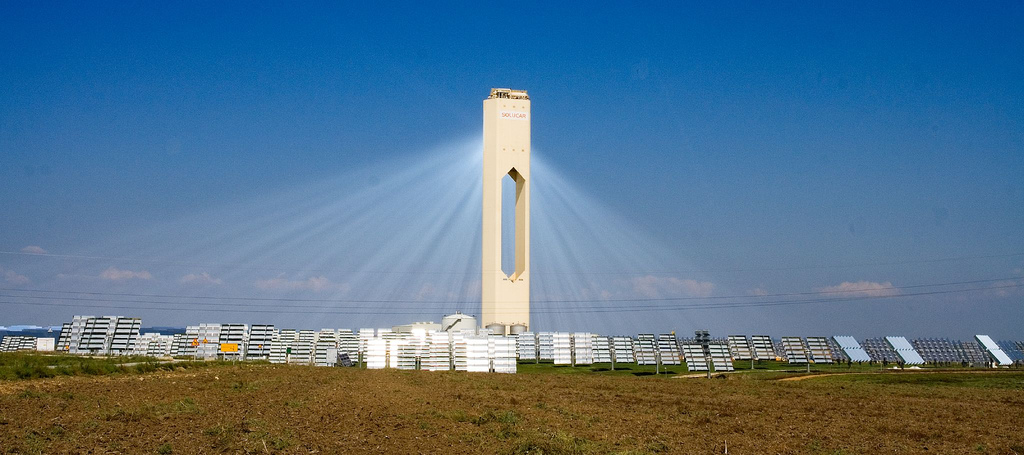
The global solar energy market outlook for 2026 shows a sector poised for remarkable growth, with solar power increasingly becoming the most affordable source of electricity in many parts of the world. This pivotal year marks a significant maturation across cost, storage, and grid integration, offering exciting opportunities for homeowners and businesses alike.
Just a decade ago, solar panels were often seen as a luxury. Today, solar is not only competing with traditional fossil fuels but is also driving its own efficiency and cost reductions. Analysts widely agree that 2026 will be a turning point, as the industry reaches new levels of maturity.
The Economic Advantage of Solar Power
The cost of solar power has fallen by nearly 90% over the last decade, making it a highly competitive energy source. In optimal regions, utility-scale solar power can cost as little as $0.02 to $0.04 per kilowatt-hour, often cheaper than coal, natural gas, or nuclear options in many global markets.
The global solar energy market, valued at approximately $253 billion in 2024, is projected to reach around $373 billion by 2029, growing at an estimated compound annual growth rate (CAGR) of 8%. This growth underscores solar's central role in the global clean energy transition.
While China currently controls over 80% of global solar panel manufacturing capacity, many regions, including the US, EU, and India, are actively subsidizing domestic production to enhance supply chain resilience. Homeowners and businesses should investigate local incentives, as these can significantly reduce installation costs. For example, the US offers a 30% federal tax credit through 2032, and India has a large-scale rooftop solar scheme aiming for 10 million households by 2026-27. Always confirm current programs with your government or utility.
Innovations Driving Solar Forward
Technological advancements are rapidly enhancing solar efficiency and versatility. One exciting development is the commercialization of perovskite-silicon tandem solar cells, which have achieved laboratory efficiencies above 33%, significantly surpassing traditional silicon panels. Companies are working to scale these for mass production through 2026.
Bifacial panels, which capture sunlight from both sides, are becoming a new industry standard, potentially boosting energy yield by 11-23% compared to traditional monofacial panels. Floating solar installations are also gaining traction, especially in land-scarce areas, by utilizing reservoirs and lakes while reducing water evaporation.
Artificial intelligence (AI) is being integrated to optimize solar performance, predicting weather patterns, adjusting panel angles in real-time, and identifying maintenance needs proactively. As panels installed during the 2010s reach their end-of-life, 2026 will see a greater focus on developing solar panel recycling infrastructure. Experts estimate that without scaled recycling systems, solar panel waste could reach 78 million tonnes globally by 2050.
The Growing Role of Storage and Smart Grids
A significant trend for 2026 is the mainstream integration of battery storage with solar systems. Lower battery costs and increasing demand for reliable power are making solar-plus-storage solutions more common. These systems offer greater flexibility, reliability, and value, enabling energy arbitrage and providing grid support.
The solar market in 2026 is characterized by a need for speed, adaptability, and disciplined execution, especially as projects become more complex. Digital tools, including AI, are crucial for improving predictive maintenance, optimizing performance, and accelerating deployment.
For larger installations, ground-mounted solar systems offer flexibility in layout and easier optimization for orientation and maintenance. However, these projects often face tighter development timelines, emphasizing efficient planning and execution. It is crucial to work with a qualified installer for any solar project, especially when integrating storage or complex ground-mounted systems.
Environmental Impact and Sustainable Practices
Solar energy is a critical tool for achieving global climate goals. The International Energy Agency suggests that global solar capacity needs to reach 7,000 GW by 2030—nearly five times current levels—to meet net-zero targets. Each gigawatt of solar capacity installed can offset approximately 1.5 million tonnes of CO2 emissions annually compared to coal-fired power.
An innovative practice gaining momentum is agrivoltaics, where solar panels are installed above farmland. This dual-use approach allows crops to grow underneath while generating electricity, potentially increasing land productivity by up to 60%. Countries like Germany, France, and the US are expanding these projects.
The industry's focus on supply chain resilience, diversifying suppliers, and strengthening procurement partnerships is also contributing to a more sustainable and robust solar ecosystem.
The global solar energy market in 2026 represents a dynamic and maturing sector. With costs continuing to fall, technological innovations advancing rapidly, and a strong push for integrated storage and sustainable practices, solar is set to play an even larger role in our energy future. For homeowners and businesses considering solar, engaging with a qualified installer is essential to design and implement a system that meets your specific needs and complies with local regulations.