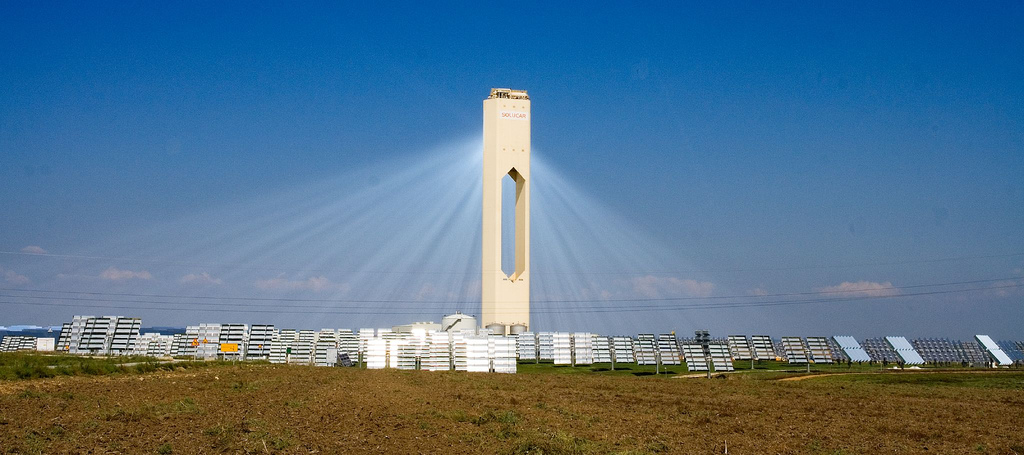
The global solar market is experiencing an unprecedented boom, with installed capacity surging and costs continuing to fall, making solar power an increasingly attractive option for homeowners and small businesses worldwide. This rapid expansion is transforming the global energy landscape, driven by climate action, technological advancements, and economic viability.
The Unprecedented Growth of Global Solar Power
Solar photovoltaic (PV) capacity is expanding at a remarkable pace across the globe. By the end of 2024, the world's cumulative installed PV capacity had surpassed an impressive 2,260 gigawatts (GW), marking a 29% increase over the previous year. The year 2024 itself was a record-breaker, with between 553 GW and 601 GW of new solar capacity installed worldwide. This volume represented a 29% increase compared to 2023, which had nearly doubled the installations of 2022, demonstrating a rapid acceleration in the energy transition.
This significant growth is not confined to a few regions. In 2024, China remained the leading market, installing between 309 GW and 357 GW, accounting for almost 60% of all new installations. The European Union added 66 GW, with Germany, Spain, Italy, France, and Poland leading the way. India also saw substantial growth, adding 32 GW in 2024 and a record 29.5 GWdc in the first nine months of 2025. In fact, close to 35 countries now have annual GW-scale solar markets, and over 40 countries boast more than 4 GWp of cumulative capacity.
The first nine months of 2025 continued this trend of robust deployment. While China's installations in the third quarter of 2025 saw a year-over-year decrease to 28 GWdc due to market-based pricing reforms, India's record installations challenged other major markets. This widespread adoption underscores solar's firm establishment as a cornerstone of global electricity generation.
Why Solar is Becoming the World's Cheapest Electricity Source
A key driver behind the global solar market boom is the dramatic reduction in costs. Plummeting module costs have made solar PV an increasingly competitive and often the cheapest source of new electricity generation. While global polysilicon, wafer, and cell pricing saw increases of 30% to 45% between June and September 2025, global module prices remained relatively stable at around $0.09 per watt direct current (Wdc) during the third quarter of 2025.
For homeowners and small businesses, the cost of installing a solar system can vary. In the first half of 2025, average system pricing in some regions ranged from approximately $3.2 to $4.2 per Wdc for residential installations and $2.0 to $3.6 per Wdc for nonresidential systems. These figures highlight the decreasing investment required to harness solar power, making it more accessible than ever.
Beyond installation costs, the long-term savings on electricity bills contribute significantly to solar's economic appeal. Many governments and utilities worldwide offer various incentives, such as feed-in tariffs, tax credits, or net metering programs, which can further enhance the financial benefits of going solar. It is always advisable to confirm the latest incentive programs and rules with relevant government bodies or utility providers, as these can change over time.
Innovations and Future Trends in Solar Energy
The solar industry is not just growing in scale but also evolving technologically. Module efficiencies continue to improve, with n-type technologies now representing 70% of global production. Bifacial modules, which can capture sunlight from both sides, dominate the market, making up over 75% of production. These innovations mean more power can be generated from smaller areas, increasing the efficiency and versatility of solar installations.
While utility-scale systems accounted for about 62% of new installations, distributed and prosumer markets are expanding rapidly. This growth is driven by the desire for self-consumption, where homeowners and businesses generate and use their own electricity, and by new business models that make solar more accessible. Furthermore, dual-use applications like agrivoltaics (combining solar with agriculture), floating PV, and infrastructure-integrated PV are becoming increasingly relevant. These solutions help balance land use, food production, and renewable energy generation, addressing potential conflicts over space.
Despite the positive outlook, the rapid growth of solar also presents challenges. In 2024, 17 countries proposed solutions to mitigate issues such as high curtailment (when solar generation exceeds grid demand), negative pricing, grid instability, and interconnection delays. Addressing these challenges is crucial for the continued smooth integration of solar into the global energy mix.
The global solar market is clearly in a period of dynamic expansion and innovation. For homeowners and small businesses considering solar, the current trends point to a future where clean, affordable, and reliable energy is increasingly within reach. Always consult with a qualified solar installer to assess your specific needs and ensure a safe and efficient installation.


