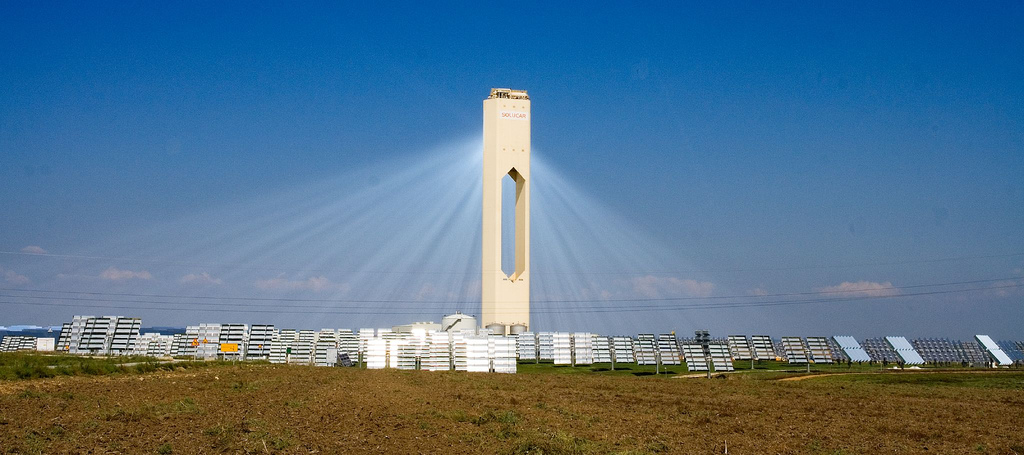
The global solar market is navigating a dynamic landscape in 2026, marked by both significant expansion and emerging hurdles. Homeowners and small businesses worldwide can expect continued growth in solar power, even as the industry addresses critical challenges like grid integration and policy shifts. Early in 2026, solar power achieved a historic milestone, reaching a total global capacity of 3 terawatts (TW). While a temporary 8% global market contraction is anticipated this year due to structural shifts in China, the long-term outlook remains strong, with forecasts indicating growth toward 6.6 TW by 2030.
What's Driving Global Solar Growth?
Solar energy is increasingly recognized as a dominant power source globally. In 2025 alone, a record 664 gigawatts (GW) of new solar capacity was installed, contributing to the overall expansion. This rapid deployment underscores solar photovoltaic (PV) technology's role as a cornerstone of energy security for many nations. Beyond electricity generation, solar thermal and photovoltaic solutions are also driving industrial decarbonization, offering cutting-edge applications for process heat and on-site power generation in energy-intensive sectors worldwide.
Key Challenges Facing the Solar Market in 2026
Despite its impressive growth, the solar market in 2026 faces several significant challenges. The sector is entering a new phase influenced by evolving policy landscapes and system constraints. Key hurdles include:
- Grid Congestion: As more solar power comes online, existing electricity grids can become strained, leading to congestion issues.
- Permitting Delays: The process of obtaining necessary permits for solar installations, whether for residential, commercial, or utility-scale projects, can be slow and complex.
- Financing Barriers: Securing adequate and affordable financing remains a challenge for some projects and consumers, despite the growing attractiveness of solar investments.
- Policy Shifts and System Constraints: Changes in government policies and limitations within current energy systems can create uncertainty and hinder sustained growth.
Addressing these challenges will require ongoing policy reform, along with significant upgrades to grid infrastructure and energy storage capabilities.
The Role of Technology and Policy in Solar's Future
Innovation and supportive frameworks are crucial for the continued expansion and resilience of the global solar market. The strategic pairing of solar with battery storage is becoming increasingly vital for national energy security, offering enhanced system flexibility. Governments are encouraged to integrate solar into national security strategies and accelerate the deployment of storage solutions.
Advanced digital technologies are also transforming solar operations. These include AI-driven analytics, Internet of Things (IoT)-enabled monitoring, and blockchain-based transparency, all designed to optimize performance, streamline maintenance, and enhance profitability. Smart grids and data intelligence are shaping the next generation of efficient and resilient solar energy systems.
From a policy perspective, effective frameworks, streamlined regulations, and innovative financing solutions are essential to accelerate global solar expansion. Supportive regulatory environments are key to reducing investment risk, attracting private capital, and fostering investor confidence across both established and emerging solar markets. For homeowners and small businesses considering solar, it is always recommended to consult with a qualified installer for system design and installation. Additionally, confirm current incentives, tariffs, and net metering rules with relevant government bodies or utilities, as these can change over time.